So, you're in the market for Cleaning Equipment and supplies? Honestly, China has become a huge hub for that stuff—everything from tools to professional hygiene solutions. This guide is all about pointing you to reliable suppliers, like the ones you'll find atCleaning Start, especially if you're a global buyer who wants good value without sacrificing quality. We've zeroed in on manufacturers who have solid export experience, clear product specs, and actually get back to you when you reach out. Yeah, communication matters a lot. You know, before you make a decision, it's really worth taking a closer look at what a manufacturer can actually do—like their factory setup, production capacity, whether they're flexible with customization, and what kind of after-sales support they offer. That stuff matters a lot, trust me.
Honestly, a good review really pays attention to the nitty-gritty – stuff like material grades, how well the motor performs, packaging strength, and whether you can easily get replacement parts. And if you want to avoid risky purchases, it's smart to look into factory audits, sample testing, and documented quality procedures – they can save you from a lot of headaches. Certifications are nice, but you gotta verify them for the specific product and check that they're current. At the end of the day, details matter a lot. Look, a supplier might wow you with a rock-bottom price, but if their packaging is flimsy, you'll end up with busted handles, leaky bottles, or shipments that show up late. I've learned the hard way that you've got to ask for inspection photos, test reports, and realistic lead times before you commit. And honestly, nothing beats actually getting a sample in your hands – that tells you more than any number on a quote.
Let's be real—not every supplier is a one-size-fits-all. Some are absolute pros when it comes to cranking out huge volumes, but ask them for a small trial order and they might stumble a bit. Others? They'll reply to your emails in a flash, but good luck getting decent technical docs from them. That's exactly why this guide doesn't just paint everyone with the same perfect brush. It's a big deal. And hey, even the same product can perform differently from batch to batch, especially if they swap out materials or tweak components along the way. So here's the thing—if you're sourcing globally, it's worth getting all your specs in writing, seriously. And don't just assume quality is on track; consider bringing in an independent inspector when it makes sense. Once you take the time to shop around and compare your options, you'll spot the reliable partners without too much trouble. That ultimately leads to a sourcing process that's cleaner and more transparent, which is kind of a win-win, right?
China’s Cleaning Supply Industry: Products, Markets, and Supplier Types
China Top Cleaning Start Suppliers for Global Buyers
China’s Cleaning Supply Industry: Products, Markets, and Supplier Types
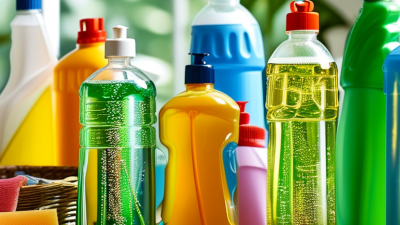
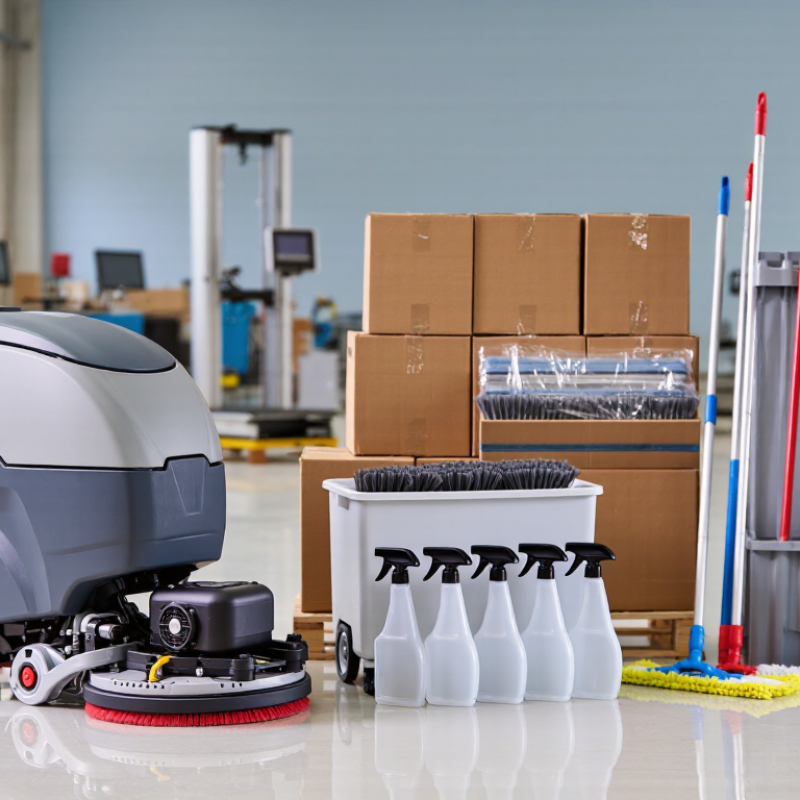
China’s cleaning supply industry serves households, hotels, offices, hospitals, and industrial facilities. Its products include microfiber cloths, brooms, mops, brushes, spray bottles, waste bins, and janitorial carts. Many factories also produce dispensers, protective gloves, and refillable cleaning tools. Product quality varies widely, even within the same category.
Supplier types differ by capability. Specialized factories often control materials, molding, stitching, and packaging in-house. Trading companies can combine products from several regions and support smaller orders. Contract manufacturers may adjust colors, dimensions, labels, and packaging for overseas buyers. This flexibility helps importers test new markets without holding excessive inventory.
Market selection affects product design. Hotels may require quiet wheels, durable carts, and coordinated room accessories. Food facilities usually prioritize washable surfaces and traceable materials. Household distributors often prefer compact packaging and clear usage instructions. Experienced buyers should request samples, material specifications, production photos, and inspection records before placing larger orders. Factory visits can reveal storage conditions and process discipline.
Some suppliers communicate quickly but provide weak technical details. That gap deserves attention. A polished catalog does not prove consistent production. Buyers should compare sample performance, carton strength, lead times, and replacement policies. Independent inspections can reduce avoidable surprises, although they cannot remove every risk. Even careful sourcing has limits when specifications remain vague.
Leading Chinese Cleaning Supply Suppliers and Their Core Product Categories
China Top Cleaning Supply Suppliers for Global Buyers
Leading Chinese Cleaning Supply Suppliers and Their Core Product Categories
Chinese cleaning supply suppliers now serve broad commercial and household demand. Their core categories include microfiber cloths, mops, brooms, brushes, spray bottles, dispensers, gloves, and janitorial carts. Grand View Research estimated the global household cleaners market at about US$245 billion in 2023, with steady growth expected through 2030. Euromonitor International’s 2024 analysis also highlights laundry care, surface care, and dishwashing as major demand segments.
For global buyers, supplier capability matters more than catalogue size. A reliable factory should provide material specifications, sample testing, production photos, and batch inspection records. Polypropylene handles, recycled PET fibers, and stainless-steel parts need separate checks. Packaging also deserves attention. Weak cartons may fail during humid sea freight. Cleaning Way buyers can compare absorbency, tensile strength, replacement-part availability, and minimum order quantities before negotiation. Factory audits remain useful, although they cannot remove every supply risk.
Tips: Request three samples from different production batches. Test them on tile, glass, and stainless steel. Ask for chemical-resistance data when products contact detergents. Verify product labeling against the destination market’s rules. ISO 9001 certification can support process control, but it is not proof of perfect quality. That distinction is easy to miss. Supplier claims should be checked through documents, inspections, and consistent communication.
How to Evaluate Chinese Cleaning Supply Manufacturers and Exporters
Choosing China’s top cleaning supply manufacturers requires more than comparing catalog prices. A dependable exporter should show consistent factory experience, clear product specifications, and documented quality procedures. Ask where raw materials come from and how batches are inspected. During a factory visit, examine mixing areas, storage rooms, labeling stations, and finished cartons. Clean floors help, but they do not prove stable production. Request recent samples and compare weight, scent, texture, packaging strength, and performance. High Cleaning results should be measured, not promised.
Tips: Check whether the supplier can provide test reports, production photos, export references, and a clear inspection process. Confirm minimum order quantities, lead times, carton dimensions, and replacement terms before ordering. Ask difficult questions. Vague answers are useful warnings. A small trial order is safer than a large first shipment.
Reliable manufacturers communicate before problems become expensive. They explain capacity during peak seasons and identify possible material shortages early. Review invoices, packing lists, and shipping documents carefully. Product names should match across every document. I have found that simple details, such as sealed cartons and readable batch codes, often reveal operational discipline. Still, no evaluation is perfect. A successful sample may not represent every future batch, so ongoing inspections remain necessary. Price matters, but predictable quality and communication protect a buyer’s reputation.
Supplier Verification: Certifications, Quality Systems, and Factory Audits
For global buyers, supplier verification begins with evidence, not polished presentations. ISO’s 2022 Survey recorded 1,265,216 ISO 9001 certificates worldwide, showing the system’s broad adoption. Yet certification alone does not prove consistent cleaning-product quality. Buyers should verify the certificate number, scope, issuing body, and expiry date. The factory address must match the audited production site.
A practical audit should follow one product through the factory. Check incoming chemical or material records, weighing scales, mixing tanks, filling lines, and final cartons. Ask for batch samples and three months of inspection records. A strong quality system should define defect limits, complaint handling, corrective actions, and product traceability. ISO 14001 can support environmental controls, while ISO 45001 indicates structured worker-safety management. These standards help, but they are not magic shields.
McKinsey’s 2020 supply-chain survey found that 93% of leaders planned to increase resilience. That finding remains relevant for buyers assessing capacity and backup plans. Review maintenance logs, production schedules, laboratory methods, and emergency sourcing options. A remote audit is useful, but it can miss crowded storage areas or rushed rework. An independent factory audit offers stronger evidence. Even then, one visit is only a snapshot. Some suppliers may prepare unusually well for inspection, and buyers can overlook small warning signs. Recheck critical controls before every major order.
China Top Cleaning Start Suppliers for Global Buyers — Supplier Verification
Verification evidence required across certifications, quality systems, and factory audits.
The chart presents a practical buyer verification framework. Certification checks cover validity, scope, issuing body, and expiry. Quality-system checks review documented procedures, inspection records, traceability, and corrective actions. Factory-audit checks assess production capability, process control, worker safety, and environmental management.
The Step-by-Step Process for Sourcing Cleaning Supplies from China
China Top Cleaning Start Suppliers for Global Buyers
The global cleaning products market reached about USD 255.26 billion in 2023, according to Fortune Business Insights. It may exceed USD 383 billion by 2032. This growth makes supplier selection more important, not merely cheaper. Define your product before contacting factories. List material, dimensions, packaging, target market, and expected monthly volume. For microfiber cloths, specify fabric weight, edge stitching, absorbency, and color fastness. Small details prevent expensive misunderstandings.
Search through verified trade platforms, industry exhibitions, and independent sourcing agents. Request business licenses, factory addresses, production photos, and recent audit documents. Ask for samples from the same production line, not showroom samples. Compare at least three quotations using identical specifications. A low price may hide weaker fibers, thin handles, or excessive packaging. I have seen buyers overlook carton strength, then face damaged goods after long sea transport. That mistake is avoidable, but not always.
Before placing an order, confirm the proforma invoice, payment terms, lead time, inspection standard, and approved sample. For chemical cleaning products, request a Safety Data Sheet, ingredient information, and applicable compliance documents for the destination market. The OECD recommends risk-based supply-chain due diligence, which supports ongoing supplier checks. Arrange pre-shipment inspection through an independent party. The International Trade Centre also emphasizes accurate product classification and trade documentation. However, inspection is not magic. A factory can pass one batch and fail the next. Keep batch records, retain samples, and review defect rates after delivery.
Pricing, Minimum Orders, Customization, and Packaging Considerations
China’s top cleaning product suppliers can offer competitive pricing, but the cheapest quote is rarely the complete cost. Request a detailed quotation covering product price, tooling, inspection, carton strength, and shipping terms. A sample order often reveals issues hidden in spreadsheets. My early comparison missed inner packaging costs, which later changed the real unit price.
Minimum order quantities vary by formula, container, color, and labeling method. Ask whether the MOQ applies per item or per design. For private-label projects, confirm artwork approval, production lead time, and batch consistency. Customization may include fragrance, bottle shape, trigger style, label material, and carton printing. Keep the first design practical. Too many changes can slow production and increase defects.
Tips: Compare three written quotations using the same specifications. Request samples from the actual production line, not only showroom samples. Check closure strength by turning filled bottles upside down for several hours. For packaging, choose leak-resistant seals, readable handling marks, and cartons suited to humid routes. Also confirm recycled-material claims with supporting documents. Cleaning Care should be visible in the product experience, from a secure cap to clear usage instructions. One detail still deserves reflection: attractive packaging may improve shelf appeal, but unnecessary layers raise costs and waste.
Shipping, Import Compliance, and After-Sales Support for Global Buyers
Global buyers need more than a low factory quote when selecting China cleaning equipment suppliers. Shipping plans should start before production. Ask for packed dimensions, gross weight, pallet count, and the proposed Incoterm. These details shape freight costs and warehouse planning. A supplier using Cleaning Tech should explain power requirements, spare parts, and lead times clearly. Request a pre-shipment inspection with photos of labels, cartons, and serial numbers. Small evidence prevents expensive surprises.
Import compliance deserves a written checklist. Confirm the correct HS classification with your customs broker, not only the supplier. Check country-specific rules for electrical safety, packaging marks, manuals, and restricted materials. For machines containing batteries or Cleaning Agents, request accurate transport and safety documents. Never accept a vague“customs cleared” promise. Commercial invoices, packing lists, certificates, and test reports should match the physical shipment. One wrong unit can delay a container.
After-sales support must be measurable. Agree on response times, remote diagnosis, replacement-part availability, and warranty limits before payment. Ask whether technicians can guide a filter change through video, using numbered steps. Keep a service log for faults, dates, and solutions. No process is flawless. A carton may arrive damaged, or a manual may be unclear. Reliable suppliers investigate, document the cause, and improve the next shipment instead of blaming the buyer. That attitude often matters more than a polished sales promise.
PTA-11600T Ultrasonic Cleaning Machine: Efficient Glass Cleaning for High-Quality Products
**PTA-11600T Ultrasonic Cleaning Machine: Efficient Glass Cleaning for High-Quality Products**
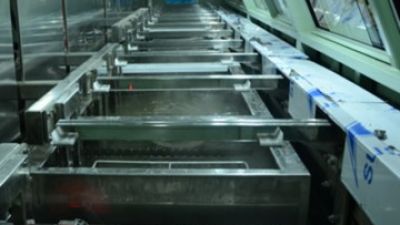
The PTA-11600T ultrasonic cleaning machine is engineered in China for the precise treatment of optical glass, flat glass, and other high-value glass components. Using ultrasonic cavitation, the system creates microscopic bubbles that reach fine surfaces, edges, and recessed areas more effectively than conventional wiping or spray-only methods. This helps remove polishing residue, dust, oil, and particulate contamination while reducing the risk of scratches and handling marks. Its production-oriented design supports consistent cleaning quality across different glass products.
Recent global flat-glass market reports valued the sector at more than US$140 billion in 2023, reflecting the growing demand for reliable quality control in construction, electronics, automotive, and optical applications. Industry manufacturing reports also identify surface defects and contamination as significant contributors to rework and yield loss. By combining controlled ultrasonic power, stable washing conditions, and practical process management, the PTA-11600T helps manufacturers improve cleanliness and maintain repeatable results. As a specialized factory and supplier, the manufacturer can provide equipment designed around production requirements, offering dependable operation for businesses seeking efficient glass cleaning and higher-quality finished products.
FAQS
Review factory experience, product specifications, quality procedures, and export documents. Ask where raw materials come from. Vague answers are warnings.
Compare weight, scent, texture, packaging strength, and cleaning performance. Use several samples when possible. One good sample proves little.
Examine mixing areas, storage rooms, weighing scales, filling lines, labeling stations, and finished cartons. Look for orderly records and clean equipment. A clean floor is not enough.
Request test reports, production photos, export references, inspection records, invoices, packing lists, and shipping documents. Product names should match everywhere.
Check the certificate number, scope, issuing body, expiry date, and factory address. The address must match the audited production site. Certificates are helpful, not magical.
Follow one product from incoming materials to final cartons. Review weighing, mixing, filling, batch testing, defect limits, and traceability records.
It limits financial risk and reveals production, packaging, and communication problems. Confirm minimum quantities, lead times, carton sizes, and replacement terms first.
Ask about peak-season capacity, maintenance schedules, material shortages, backup suppliers, and emergency plans. Recheck critical controls before major orders. I may still miss small warnings.
Remote audits can reveal documents and procedures, but they may miss crowded storage or rushed rework. Independent inspections provide stronger evidence. One visit remains only a snapshot.
Conclusion
This Cleaning Start guide introduces China’s cleaning supply industry, covering major product categories, market trends, and the different types of suppliers available to international buyers. It explains how to compare manufacturers and exporters based on production capacity, product quality, experience, communication, and export readiness. Buyers will also learn how to verify certifications, quality management systems, inspection procedures, and factory audit results before placing an order.
The guide outlines a practical sourcing process, from defining product requirements and requesting quotations to evaluating samples, negotiating minimum order quantities, and confirming customization or packaging needs. It also discusses pricing factors, shipping arrangements, import documentation, compliance responsibilities, and after-sales support. By following these steps, global buyers can reduce sourcing risks, improve purchasing efficiency, and build reliable, long-term cooperation with suitable Chinese cleaning supply partners.