Leave Your Message
0%

Choosing the right Ring Cleaning Machinein 2026 isn’t just about comparing prices or picking the one with the flashiest photos. It’s about understanding what really matters—like the type of ring you’re working with, how much cleaning volume you need, and the environment of your workshop. Different materials like gold, platinum, silver, and gemstones react differently to heat, vibration, moisture, and Cleaning Chemicals. A machine that shines up your rings quickly might still pose risks—like loosening stones or damaging delicate finishes—so it’s not a one-size-fits-all situation.

In a busy jewelry repair shop, folks often pay attention to details like ultrasonic frequency, tank size, temperature control, timers, and how well it dries. These little things add up and can make a big difference when you’re racing against the clock. A clear digital display is super helpful—it takes out the guesswork. Removable tanks? Huge plus—they make cleaning and maintenance way easier. And strong seals help prevent leaks. But heads up—just because a feature sounds fancy doesn’t mean it performs well. Always check specs against independent reviews, service histories, warranty info, and manufacturer instructions.

Safety should always come first. Look for machines with steady temperature controls, automatic shutoff features, and clear operating instructions. It’s also smart to see if the maker offers replacement parts and technical support when you need them. Ask how it handles small batches or if it can handle heavy, everyday use without choking. This article will give you the lowdown on popular machine types, costs, cleaning quality, and maintenance stuff. We’ll also cover when ultrasonic cleaning isn’t a good idea—like for fragile stones, damaged settings, or jewelry that’s been treated before. Some tips might seem obvious, but honestly, they’re not always enough. The real deal depends on how well you handle your equipment, use the right solutions, and stay on top of inspections. The perfect Ring Cleaning Machine isn’t necessarily the fastest or most expensive—it’s the one that consistently gives great results without putting your jewelry at risk, giving you control, or sacrificing long-term durability.
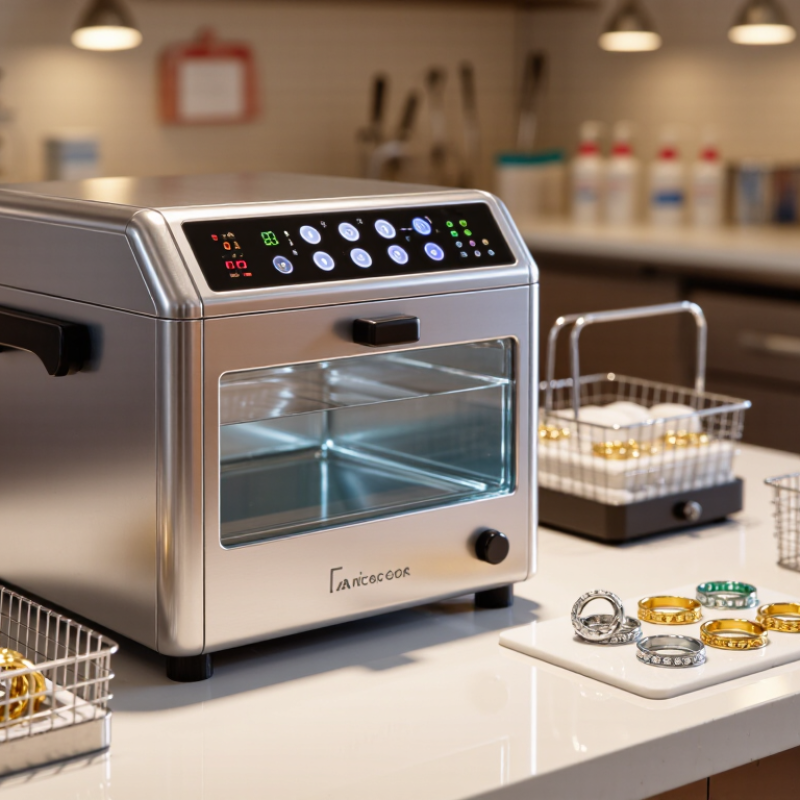
How to Choose the Best Ring Cleaning Machine in 2026?

Identify Ring Materials by Mohs Hardness: Diamond 10, Sapphire 9

How to Choose the Best Ring Cleaning Machine in 2026?

Mohs hardness should guide your first cleaning decision. The Gemological Institute of America (GIA) rates diamond at 10 and sapphire at 9. These numbers measure scratch resistance, not overall durability. The Mohs scale is ordinal, so diamond is not simply one point stronger than sapphire. Both can resist everyday abrasions, yet each may still chip under a sharp impact.

Check the gemstone before choosing a machine. A diamond ring may tolerate ultrasonic cleaning when its setting is secure and free from fractures. However, diamond’s cleavage planes can create hidden risks. Sapphire usually handles gentle ultrasonic cleaning well, but heat treatment, filled fractures, or loose settings require caution. GIA’s gemstone education materials stress that treatments and inclusions can change care requirements.

The ring metal matters too. Gold and platinum are softer than both stones, so aggressive vibration may loosen prongs or expose scratches. A practical inspection includes a loupe, a soft brush, and a low-power ultrasonic cycle. Steam should be avoided when the stone’s treatment is unknown. The World Jewellery Confederation’s gemstone guidance also separates hardness from toughness, a distinction many machine listings overlook.

Do not trust hardness alone.

A common mistake is assuming a hard stone needs the strongest cleaner. That approach feels efficient, but it can punish delicate settings. Record the stone type, treatment history, and mounting condition before cleaning. When those details remain uncertain, manual cleaning with warm water and mild detergent is the safer test.

Match Cleaning Methods to Gemstone Risks Using GIA Ultrasonic Guidance

How to Choose the Best Ring Cleaning Machine in 2026?

A ring cleaning machine should match the gemstone, not just the metal. GIA guidance warns that ultrasonic cleaning can damage fractured, cavity-filled, or heavily included gems. Emeralds deserve special caution. Their internal fissures may expand under vibration or heat. Opal, pearl, turquoise, coral, amber, and some treated stones usually need gentle hand cleaning instead.

Hardness is only one risk factor. GIA’s Gem Encyclopedia rates diamond at 10 on the Mohs scale and corundum, including sapphire and ruby, at 9. This does not make every stone ultrasonic-safe. A loose setting, surface-reaching inclusion, or previous treatment can change the decision. A 2024 World Gold Council report recorded approximately 1,877 tonnes of global gold jewelry demand. More jewelry also means more daily exposure to soap, cosmetics, and skin oils.

Choose adjustable ultrasonic equipment only for confirmed, untreated, durable stones. Use short cycles and lukewarm water. Avoid aggressive heat. For mixed gemstone rings, a soft brush and mild detergent are safer. Read the treatment disclosure before selecting a machine. I have seen clean-looking rings hide loose claws after repeated vibration. That is easy to miss. GIA’s care guidance is useful, but it cannot replace a gemologist’s inspection. Industry data also has gaps; online reports often simplify gemstone risk too much.

How to Choose the Best Ring Cleaning Machine in 2026? - Match Cleaning Methods to Gemstone Risks Using GIA Ultrasonic Guidance

Gemstone or Ring Type Ultrasonic Cleaning Steam Cleaning Preferred Method Main Risk or Limitation Recommended Machine Profile
Diamond, untreated and securely mounted Generally suitable when the stone is not fracture-filled and the setting is sound. Generally suitable for a secure, untreated stone. Ultrasonic or warm water with mild dish soap and a soft brush. Vibration may loosen a weak setting or worsen an existing fracture. Adjustable timer, low-to-moderate power, removable basket, and a stable lid.
Ruby or sapphire Usually suitable for durable, untreated stones, but avoid if fracture-filled or heavily included. Use caution, especially with filled or visibly fractured stones. Mild soapy water and a soft brush; ultrasonic only after treatment and condition are known. Fractures, cavities, and fillings can be affected by vibration, heat, or pressure. Use a gentler ultrasonic setting with short cycles; avoid heat-only steam units.
Emerald Usually avoid, particularly when fracture-filled or oil-treated. Usually avoid; heat and pressure may affect clarity treatments or open fractures. Room-temperature or lukewarm soapy water with a very soft brush. Many emeralds contain surface-reaching fractures and may be treated with oils or fillers. Choose a non-machine cleaning kit; no ultrasonic or pressurized steam function.
Opal Do not use. Do not use. Gently wipe with a damp, soft cloth; use mild soapy water only when appropriate. Heat, rapid temperature changes, and vibration may promote cracking or damage. No cleaning machine; select a manual-care option with a soft microfiber cloth.
Pearl, coral, amber, or other organic gem Do not use. Do not use. Wipe gently with a slightly damp, soft cloth and dry immediately. Heat, chemicals, soaking, and mechanical action can harm soft or porous materials. Avoid all machine cleaners; use a dry or lightly damp manual-cleaning system.
Turquoise, lapis lazuli, malachite, or porous stone Do not use. Do not use. Use a barely damp soft cloth and avoid prolonged contact with water. Porosity, treatments, and softer surfaces increase the risk of staining, deterioration, or scratching. Choose manual cleaning only; avoid immersion tanks and heated systems.
Fracture-filled or cavity-filled gemstone Avoid, unless a qualified professional confirms compatibility. Avoid. Gentle lukewarm water, mild soap, and a soft brush without soaking. Vibration, heat, and pressure may disturb filling materials or expose fractures. Select a manual method; treatment documentation should guide any machine choice.
Ring with loose prongs, damaged claws, or unstable stones Do not use. Do not use. Stop cleaning and have the setting inspected by a qualified jeweler. Mechanical vibration or water pressure may dislodge the stone. No machine is appropriate until the setting has been repaired and checked.
Plain metal ring without gemstones Generally suitable for gold, platinum, and silver when the finish is compatible. Generally suitable, subject to the metal finish and any surface coating. Ultrasonic cleaning or mild soapy water with a soft brush. Plated, oxidized, textured, or antique finishes may change appearance. Adjustable cycle length, protective basket, and a non-abrasive drying system.
Safety rule: Before using an ultrasonic or steam cleaner, identify the gemstone, confirm whether it has been treated or fracture-filled, and inspect the setting. When the stone’s identity or treatment history is unknown, use gentle manual cleaning and seek professional advice.
Guidance basis: General gemstone-care principles published by the Gemological Institute of America (GIA), including its cautions regarding fracture-filled stones, treated emeralds, porous materials, organic gems, heat, vibration, and pressure.

Compare Ultrasonic Frequencies: 40 kHz for Cleaning, 80 kHz for Delicate Rings

Choosing the Best Ring Cleaning Machine in 2026 depends on frequency, ring structure, and stone condition. A 40 kHz machine usually creates stronger cavitation, helping remove dried lotion, skin oil, and dirt from solid gold or platinum bands. I have found it useful for sturdy rings with secure settings. Keep the cycle short, usually three to five minutes.

An 80 kHz machine produces smaller bubbles and a gentler cleaning action. It suits delicate rings, fine prongs, thin bands, and pieces with detailed engraving. The water may look calm, but hidden grime can still loosen around the setting. That matters for vintage jewelry, where metal fatigue is not always visible. Never assume a higher frequency makes every ring safe. Pearls, opals, fracture-filled stones, and loose gems may require another method.

Check the ring before placing it inside the Cleaning Machine. Gently tap the setting and inspect each prong under bright light. I once focused too much on surface shine and missed a slightly loose stone. That mistake changed my routine. Frequency cannot repair weak metal. Use lukewarm water, mild detergent, and a soft tray that prevents scratching. If the ring moves during cleaning, stop the cycle and reassess it. A careful inspection often matters more than a powerful machine.

Set Heat and Chemical Limits from Gemstone and Manufacturer Specifications

Choosing the best ring cleaning machine in 2026 starts with gemstone safety, not cleaning power. A strong motor can still cause expensive damage. Check the gemstone’s care guidance and the ring manufacturer’s specifications before selecting a machine.

Set the lowest effective heat limit. Many gemstones tolerate warm water, but sudden temperature changes can stress fractures or loosen settings. Opals, pearls, turquoise, and some treated stones require extra caution. Use short cycles for delicate rings. Never assume a low setting is automatically safe. That assumption needs testing.

Chemical limits matter just as much. Choose a solution with clearly stated ingredients and dilution instructions. Avoid harsh acids, strong alkalis, and unapproved solvents. Even durable stones may have vulnerable coatings, fillings, or adjacent metals. A pH-neutral cleaner is often a safer starting point, but the manufacturer’s guidance remains decisive. Record the solution ratio, temperature, cycle time, and inspection result for each ring. This simple log supports consistent professional work.

Before cleaning, inspect loose stones, thin prongs, and hidden cracks under magnification. Remove the ring immediately if the setting moves. Rinse thoroughly, then dry with a soft, lint-free cloth. Test one less valuable item first. It feels slower. That caution prevents avoidable mistakes. Machine performance also changes with water quality and solution age, so review the process regularly instead of trusting yesterday’s settings.

Verify Electrical and Operating Safety Under IEC 60335 Standards

When choosing a Sonic Cleaning Machine in 2026, electrical safety deserves more attention than cleaning speed. IEC 60335-1 sets baseline requirements for household and similar electrical appliances, including protection against electric shock, overheating, and abnormal operation. Confirm that the machine carries a legitimate conformity marking and lists its rated voltage, frequency, and power clearly. Vague labels are warning signs.

Inspect the power cord, plug, housing seams, and control panel. Moisture can travel through small gaps. The machine should include grounding or equivalent double-insulation protection, stable feet, and automatic overheating control.

NFPA’s Home Structure Fires report estimated that electrical distribution and lighting equipment caused about 46,700 U.S. home fires annually from 2015 to 2019. That figure is not specific to cleaning machines, but it shows why electrical design cannot be treated as a minor feature.

I once focused too heavily on ultrasonic frequency and tank size. That was incomplete. Test the unit on a dry, level surface, keep liquid below the maximum line, and inspect the cord before every use. The casing should remain comfortable to touch during a normal cycle. Stop immediately if you notice buzzing, unusual heat, flickering, or a chemical smell. Check the instruction manual for duty-cycle limits and cleaning-fluid restrictions. IEC 60335 testing supports safer design, but it cannot correct careless operation. A certification mark is evidence, not a guarantee.

Measure Cleaning Performance by Soil Removal, Cycle Time, and Noise

Choosing a Jewelry Cleaning Machine in 2026 requires measurable evidence, not a polished product photograph. Soil removal should be tested on identical rings with the same detergent, water temperature, and cycle. Weighing removable soil before and after cleaning gives a clearer result than visual inspection alone. ASTM D4265 offers a useful controlled-stain framework, although it was not designed specifically for jewelry. Adapt it carefully. A 95% visible improvement may still hide residue beneath a setting.

Cycle time also affects labor cost and customer flow. Record the complete process, including loading, heating, cleaning, rinsing, and drying. A machine claiming a three-minute cycle may need six minutes in real use. Test at least ten cycles, then compare average time and variation. Small delays become expensive during busy repair days. I would question any result based on one trial.

Noise deserves equal attention. Measure sound near the operator’s ear, rather than relying on a brochure rating. ISO 3744 provides a recognized method for determining sound power levels, while CDC/NIOSH identifies 85 dBA over eight hours as an occupational exposure limit. Lower is preferable in a quiet workshop. A sharp buzzing sound can feel tiring, even below that threshold. Record the reading with the lid closed and open. Results may change surprisingly. Keep a written test log, including water temperature, load size, soil type, and operator observations.

Calculate Total Ownership Cost from Price, Maintenance, Warranty, and Energy

Choosing the best ring cleaning machine in 2026 requires more than comparing purchase prices. Calculate total ownership cost before approving the budget. A $900 unit may seem cheaper than a $1,300 model. However, a noisy pump, fragile basket, or expensive service visit can change the result. I recommend recording daily cycle counts, solution use, electricity, and labor time for thirty days. Real workshop data is more useful than a polished sales estimate. That process is imperfect, but it exposes hidden assumptions.

For an Ultrasonic Cleaning Machine, estimate energy from wattage, operating hours, and your local electricity rate. Include heating time, standby consumption, water replacement, detergent, filters, and staff minutes. A machine running four hours daily can create meaningful annual energy costs. Check whether the warranty covers the transducer, heater, controls, and labor. Read exclusions carefully. Some low prices hide shipping, installation, or mandatory maintenance. Ask for service intervals and parts pricing in writing.

Tips: Build a three-year cost sheet before purchasing. Add one realistic repair event. Compare energy use at full and partial loads. Keep invoices and maintenance records. If the calculation feels too optimistic, test it again with higher labor and electricity costs. Small errors become expensive over time.

49S Crystal Automatic Sealing and Feeding Machine: Features, Applications, and Buying Guide

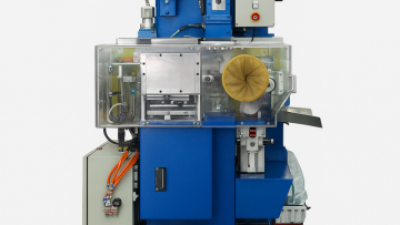
The 49S crystal automatic sealing and feeding machine is designed for businesses seeking faster, cleaner, and more consistent packaging operations. Its high-automation structure reduces dependence on manual labor while keeping operation straightforward for production staff. The machine supports both vacuum sealing and nitrogen filling, allowing users to select the appropriate process according to product sensitivity, packaging requirements, and storage conditions. Stable operation and accurate feeding help maintain uniform output during continuous production.

A specialized tooling fixture enables precise linear fine-tuning, improving positioning accuracy and seal integrity for crystal-related packaging applications. This makes the equipment suitable for crystal processing, decorative products, gift packaging, and other operations that require reliable protection and an attractive sealed finish. Its compact operating logic can also help factories improve workflow efficiency and reduce errors caused by repetitive manual handling.

Before purchasing, buyers should evaluate the required production capacity, compatible package sizes, sealing materials, vacuum or nitrogen requirements, and available installation space. It is also important to confirm adjustment ranges, maintenance access, operator training, spare-part availability, and after-sales technical support. A supplier should provide clear specifications, testing procedures, and practical guidance so the machine can be matched with the existing production line.

FAQS

How does Mohs hardness affect ring cleaning decisions?

Diamond rates 10, while sapphire rates 9 on the Mohs hardness scale. A hard stone resists scratches. It may still chip from a sharp impact. Hardness does not measure total durability.

Can a diamond ring go into an ultrasonic cleaner?

It may tolerate gentle ultrasonic cleaning when the setting is secure. Check for loose prongs, fractures, and movement under magnification. Diamond cleavage planes can create hidden risks. Do not choose the strongest cycle automatically.

Is ultrasonic cleaning suitable for sapphire rings?

Sapphire often handles gentle ultrasonic cleaning well. Treatment, filled fractures, or a loose setting can change that advice. Use a short, low-power cycle after inspection. When uncertain, clean it manually.

Which gemstones need extra heat protection?

Opals, pearls, turquoise, and some treated stones need special caution. Avoid sudden temperature changes. Warm water may still be unsuitable for certain treatments. Short cycles are safer, but not automatically safe.

What cleaning temperature should a ring machine use?

Choose the lowest effective heat setting. Follow the gemstone and machine specifications before testing. Record the temperature and cycle time. Low heat is not a guarantee.

Which cleaning chemicals are safer for rings?

Start with a pH-neutral cleaner with clearly listed ingredients. Follow the stated dilution instructions carefully. Avoid harsh acids, strong alkalis, and unapproved solvents. Coatings, fillings, and nearby metals may react differently.

How should the ring be inspected before machine cleaning?

Examine loose stones, thin prongs, and hidden cracks with magnification. A loupe and soft brush are useful tools. Remove the ring immediately if the setting moves. Do not continue testing.

What should someone do when the stone’s treatment history is unknown?

Avoid steam and aggressive machine cycles. Use warm water, mild detergent, and a soft brush as a cautious test. Rinse thoroughly and dry with a lint-free cloth. This approach is slower. It may still miss a hidden fracture, so professional inspection can be worthwhile.

Conclusion

Choosing the best Ring Cleaning Machine in 2026 starts with understanding the jewelry being cleaned. Identify each ring’s gemstone and metal, then consider hardness and vulnerability: diamonds rank 10 on the Mohs scale, while sapphires rank 9, but hardness alone does not determine cleaning safety. Use gemstone-specific guidance, especially when evaluating ultrasonic cleaning, and avoid exposing delicate settings, treated stones, or fragile inclusions to unsuitable vibration, heat, or chemicals. A 40 kHz setting may provide strong general cleaning, while 80 kHz can offer gentler action for sensitive rings.

Before purchasing, confirm that temperature and chemical limits match both the gemstone and the manufacturer’s specifications. Electrical design, operating procedures, and protective features should also be reviewed against applicable IEC 60335 safety requirements. Finally, compare machines by measurable soil removal, cycle duration, operating noise, maintenance needs, warranty coverage, energy use, and purchase price. Calculating total ownership cost helps identify a reliable solution that cleans effectively without creating unnecessary risks or long-term expenses.
Andrew

Andrew

Andrew is a highly skilled marketing professional at 8 WATER TECHNOLOGY LIMITED, where he plays a pivotal role in bridging the gap between innovative technology and customer engagement. With a deep understanding of the company's core offerings, he specializes in multi-wire cutting machines,......
Previous How to Choose an Industrial Cutting Machine in 2026?