- Home
- About Us
- Products
- Solution
- Custom Service
- Contact Us
- Blog
Leave Your Message
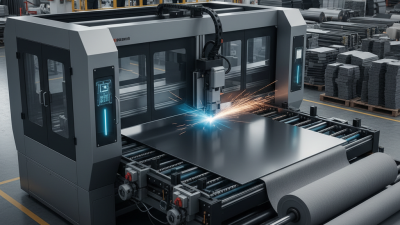
Deciding on an Industrial Cutting Machine in 2026 isn’t just about grabbing the latest tech out there. It’s more about finding the right fit for what you actually do in your production. Start by thinking about the materials you’ll be cutting—like steel plates, aluminum sheets, composites, or fabrics—and how thick they are. Also, consider the finish you need on the edges. Different materials put different demands on your cutting setup. What works like a charm on thin metal might struggle with thicker stuff or during long shifts, so keep that in mind.
Before you get into specs, take a good look at your daily workload. Jot down typical job sizes, how often you’ll need to change tools or setups, your target output, and what tolerances you can live with. Once you've nailed that, compare different cutting methods—laser, plasma, waterjet, or mechanical—and see which one matches your needs. Don't forget to check the size of the cutting area, power needs, software compatibility, whether you’ll need special dust extraction or filters, and if your team needs extra training. Speed is tempting, but faster isn’t always better—if your loading, programming, or handling can’t keep up, a speedy machine might just cause bottlenecks.
It’s a smart move to ask suppliers for sample cuts using your actual materials so you can see how they perform in real-world conditions. Also, get details about their service response times, spare parts availability, maintenance plans, and warranty coverage. Don't just focus on the initial cost—think about the whole ownership picture: energy bills, consumables, downtime, installation costs, and so on. Sometimes, what’s not obvious—like how easy it is for operators to clean the machine or access routine maintenance points—can make a big difference. Be sure to verify what they promise with actual specs and customer references if possible. Honestly, no checklist can replace testing the machine in real production. The goal is to find a machine that fits your current workflow and still offers room to grow—not one that claims to solve everything overnight.
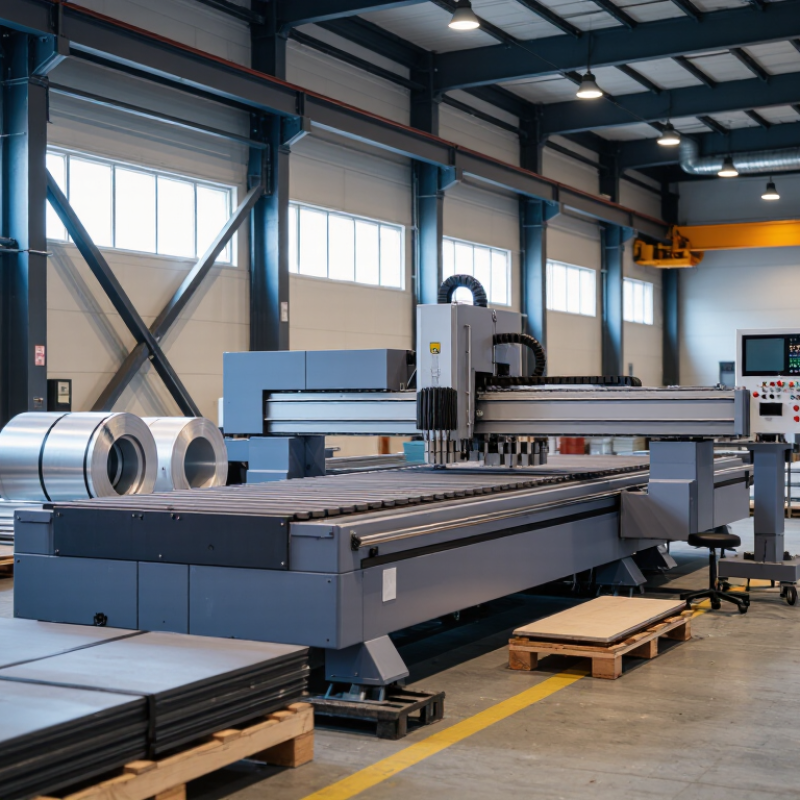
Before comparing machine types, define the actual cutting work. List the materials, thickness range, part dimensions, and expected daily volume. Include the hardest routine job, not just a clean, flat sample. For each part, record the required tolerance, edge finish, and acceptable kerf width. A rough edge may add deburring time. Small detail, big cost. Also note whether cuts involve holes, tight corners, reflective surfaces, or frequent material changes. Separate normal work from occasional exceptions; sizing a machine around one rare job can waste capacity.
Production requirements need the same attention. Estimate shifts per day, batch size, changeover frequency, and realistic loading time. Ask how much usable cutting time remains after setup, cleaning, and planned maintenance. Compare that figure with demand, while allowing for production peaks and rework. Do not treat published cutting speed as actual output; handling and material layout can slow the line. Measure floor space and check electrical supply, compressed air, cooling, and fume extraction needs. A timed trial with your own material is more revealing than a polished demonstration. Record problems, too. Revisit assumptions after a week of production, since estimates can miss awkward parts or operator pauses.
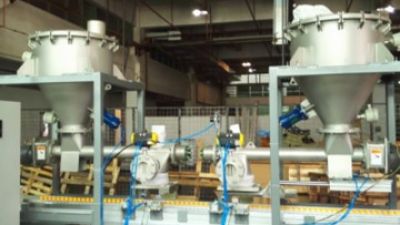
In modern Chinese factories, automated powder handling depends on equipment that can move materials steadily between processing stages. A horizontal screw feeder helps meet this need by conveying powder through a controlled, enclosed path and supporting the loading and unloading of powder materials in cassettes. Integrated into an automatic powder cassette feeding system, it can reduce reliance on manual handling and help keep production workflows consistent.
The feeder is particularly useful for powders with medium to poor flowability, which may not move reliably through gravity-based systems alone. Its screw mechanism advances material along a horizontal route, helping maintain a more even feed and reduce interruptions during transfer. For manufacturers selecting material-handling equipment, practical considerations include matching the feeder’s capacity and configuration to the powder’s properties, cassette dimensions, and factory layout. When properly integrated into an automated line, a horizontal screw feeder can support smoother material movement, more dependable cassette operations, and improved productivity in powder-handling processes.
Test your actual material, thickness, and finish. Make several cuts, then repeat after the machine warms up. A neat sample alone proves little.
Check maximum thickness, table size, feed speed, and duty cycle. Include material changeover time. Extra capacity can add cost without fixing a production bottleneck.
No. Match automation to your order mix and staffing. A poorly matched loader may create delays instead of saving time.
Bring three representative jobs. Record cut time, scrap, changeover time, and operator intervention. The results may look less impressive than brochure figures, but they are more useful.
Check guards, interlocks, braking time, emergency-stop access, and safe energy isolation. Test them with gloves and realistic work conditions. Small details matter.
Ask for documented risk assessments and test records. Confirm how calibration and maintenance affect repeatability. I would not assume a showroom demonstration tells the whole story.
Requirements vary by location. Check applicable machinery, electrical, noise, and workplace-safety rules before purchase. The relevant requirements may not be obvious at first.
Review shared walkways and energy-isolation boundaries. Also ask who verifies safety after a blade change. That step is easy to overlook.
Choosing the right Industrial Cutting Machine in 2026 starts with a clear understanding of the work it must perform. Define the types and volume of cutting tasks, then identify the materials, thicknesses, and part dimensions the machine needs to handle. These details help narrow the options and make it easier to compare cutting technologies based on their suitability for your production needs.
Next, assess required accuracy, cutting capacity, and the level of automation that will support efficient, consistent output. Review safety features and applicable regulatory requirements, and consider the full cost of ownership, including installation, maintenance, energy use, and operator training. Finally, evaluate the supplier’s technical support and service availability. Looking at these factors together can help you select equipment that fits your workflow, budget, and long-term production goals.