Leave Your Message
0%

Picking the right China Jewelry Cleaner Ultrasonic supplier isn't just about price tags or nice-looking product photos. You'll want to dig into cleaning performance, tank capacity, how stable the frequency is, heating control, noise, and whether it'll hold up over time.

A supplier worth trusting can actually explain these specs without dodging, and they'll back it up with test records, manuals, and samples that stay consistent from batch to batch.

Real-world experience counts, too. A solid supplier should know jewelry materials—gold, silver, platinum, stainless steel, and delicate gemstones. Different materials might need shorter cycles, lower temps, or gentler Cleaning Solutions. They should be honest about safe operating limits instead of claiming their machine works perfectly for everything. That kind of detail is what builds trust.

Look for manufacturers with quality management systems, clear factory info, support that actually responds, and real export experience. CE or RoHS certs can help with market access, sure—but check them against the actual model. Factory audits, sample testing, warranty terms, and spare-parts availability usually tell you more than ads do.

Also, 'top' is kind of a fuzzy word. One supplier might make great machines but be terrible at communication or after-sales. Another might have tempting prices but little room for customization. Those weak spots matter. So compare a few Chinese suppliers using a structured test, ask documented questions, and start with small trial orders before committing big. A careful look at China's leading Jewelry Cleaner Ultrasonic manufacturers can help you find equipment that's effective, maintainable, and right for a professional retail or workshop setup. Flashy promises fade fast. Solid evidence sticks around.
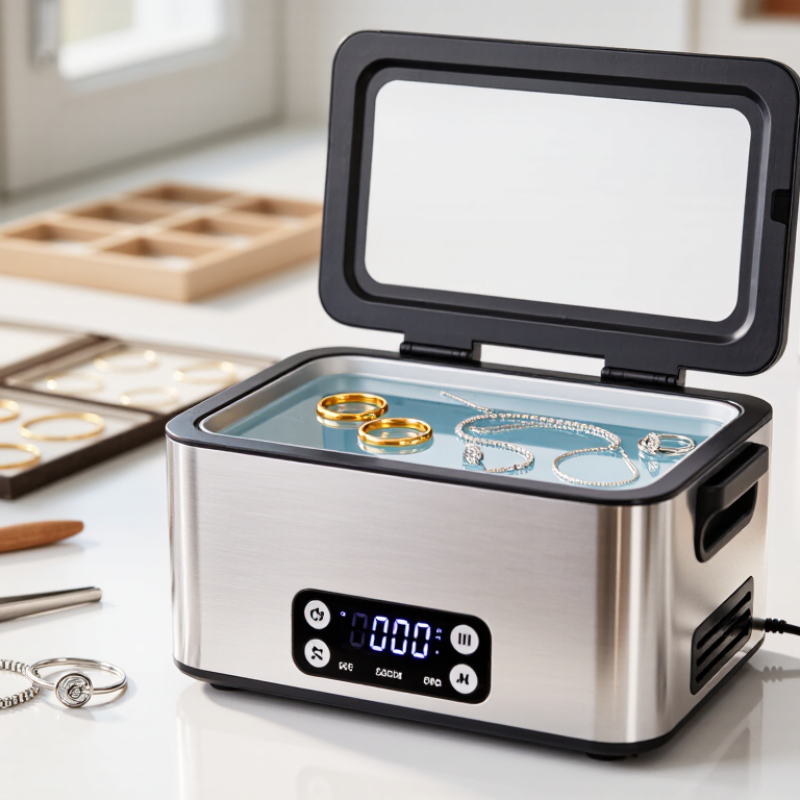
China Top Jewelry Cleaner Ultrasonic Suppliers?

What Makes China a Leading Source of Ultrasonic Jewelry Cleaners?

China has become a leading source of Ultrasonic Jewelry Cleanerequipment through dense manufacturing networks, trained technicians, and flexible production. Components such as stainless-steel tanks, Ultrasonic Transducers, timers, and heating systems can be sourced within one industrial region. This shortens development cycles and reduces shipping between suppliers.

Grand View Research estimated the global ultrasonic cleaning market at approximately USD 1.8 billion in 2023, with continued growth expected through 2030. That demand encourages Chinese manufacturers to improve frequency control, tank durability, and energy efficiency. UN Comtrade data also identifies China as one of the world’s largest exporters of machinery and electrical equipment. These trade capabilities support consistent international supply, although export volume alone does not prove product quality.

Experienced buyers usually inspect welds, drainage design, sound output, and temperature stability. A practical test involves cleaning a silver setting with measured detergent, then checking stones under magnification. Good suppliers provide test records, electrical specifications, and traceable quality procedures. ISO 9001 certification can support process control, but it should not replace factory audits or sample testing. That matters.

Some suppliers still overstate cleaning power. A stronger frequency does not automatically mean safer results. Delicate coatings, loose stones, and porous materials require professional judgment. I would request a batch sample before approving a large order. Not perfectly. Manufacturing advantages are clear, yet communication gaps, inconsistent documentation, and after-sales delays remain risks worth pricing into any sourcing decision.

How Ultrasonic Jewelry Cleaning Technology Works

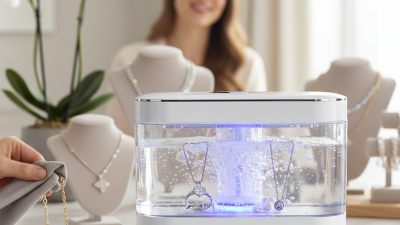
Ultrasonic jewelry cleaning technology uses high-frequency sound waves to create microscopic bubbles in a liquid. These bubbles expand and collapse rapidly, producing gentle pressure against jewelry surfaces. The process is called cavitation. It reaches narrow spaces around prongs, chains, and textured metal that a cloth often misses.

A Clean Jewelry Ultrasonic Cleaner usually contains a tank, transducer, timer, and temperature controls. The transducer changes electrical energy into sound energy through the cleaning solution. As the bubbles collapse, they loosen oil, dust, and everyday residue. Warm water can improve results, but excessive heat may damage sensitive stones or loosen delicate settings. A short cycle is often safer than repeated long cycles.

Not every jewel belongs in an ultrasonic bath. Some porous, treated, cracked, or loosely mounted stones require professional inspection. I have found that a bright surface can hide a weakened setting, so visual checking still matters. Use a suitable, non-abrasive solution and avoid overcrowding the basket. The jewelry should move freely, not touch the tank floor. After cleaning, rinse it with clean water and dry it with a soft, lint-free cloth. Results may vary. That is worth remembering.

Key Features to Assess in Chinese Supplier Products

When assessing Chinese suppliers for a Jewelry Cleaner Machine, examine performance beyond polished product photos. Ask for the ultrasonic frequency, tank capacity, heating range, and cycle controls. Stable cavitation helps remove dirt from small settings without excessive mechanical handling. Adjustable power matters because delicate stones and sturdy metal parts need different cleaning conditions.

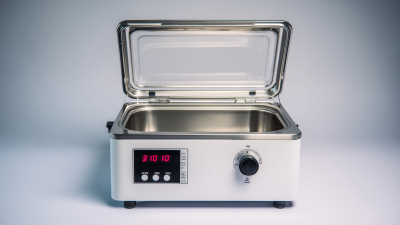
Inspect the tank closely. Stainless steel should resist corrosion, while smooth welds make daily rinsing easier. Check the lid seal, drainage design, control panel, and electrical specifications. A clear user manual is important. So are spare parts and responsive technical support. Request test data, quality inspection records, and a sample unit before placing a larger order. Short video evidence can reveal unusual noise, uneven vibration, or weak heating.

In practical testing, I would compare cleaning results on rings with narrow channels and textured surfaces. Water should move visibly across the tank, not only near the center. Do not trust appearance alone. My first evaluation would include repeated cycles, because a machine may perform well once but weaken under routine use. Supplier reliability also depends on traceable production, realistic warranty terms, and consistent packaging. Some suppliers provide impressive specifications but vague after-sales answers. That gap deserves careful questioning.

China Top Jewelry Cleaner Ultrasonic Suppliers? Key Features to Assess in Chinese Supplier Products

The chart presents practical technical benchmarks commonly used when evaluating ultrasonic jewelry cleaner products: operating frequency, ultrasonic power, tank capacity, cleaning timer, stainless-steel construction, and warranty coverage.

Values are representative procurement benchmarks based on commonly published specifications for jewelry and small-item ultrasonic cleaners. Units are shown in the feature labels and tooltips; the figures are not company or brand performance data.

How to Find Reliable Ultrasonic Cleaner Manufacturers in China

China Top Jewelry Cleaner Ultrasonic Suppliers?

Reliable ultrasonic cleaner manufacturers in China should be judged by evidence, not polished catalogs. Grand View Research valued the global ultrasonic cleaning market at about USD 1.8 billion in 2023, with continued growth expected through 2030. This expansion attracts capable factories, but also inexperienced traders. Request the legal company name, production address, inspection records, and quality certificates. A video call should show the actual workshop, assembly area, and testing equipment.

Ask for a sample test using your jewelry materials. Reliable suppliers should explain frequency, ultrasonic power, tank volume, heating accuracy, and degassing time. For delicate pieces, a 40 kHz setting may provide a practical balance between cleaning strength and surface protection. However, frequency alone proves little. Ask for before-and-after photographs, cleaning cycle records, and measurable results. The manufacturer should also provide material compatibility guidance, operating limits, and safety documents.

Look closely at traceability. Each unit should carry a serial number, electrical rating, inspection date, and clear warranty terms. The International Organization for Standardization reports that ISO 9001 remains widely adopted across global manufacturing, but certification does not guarantee excellent performance. It is only one checkpoint. A common mistake is choosing the lowest quotation before comparing tank thickness, transducer quality, spare parts, and after-sales response. Cheap can become expensive. Ask who performs final testing and how failed units are handled. Small gaps matter.

China Top Jewelry Cleaner Ultrasonic Suppliers? - How to Find Reliable Ultrasonic Cleaner Manufacturers in China

Evaluation Dimension Practical Requirement for Jewelry Cleaning Information to Request from a Chinese Manufacturer Why It Matters
Ultrasonic Frequency Preferred
Approximately 40 kHz for general jewelry cleaning; higher frequencies may be selected for delicate parts and finer surfaces.
Technical datasheet showing the operating frequency, frequency tolerance, and whether the frequency is fixed or adjustable. Frequency affects cleaning intensity, surface protection, and the ability to remove particles from small gaps and settings.
Tank Capacity Select by Use
Small tanks are suitable for individual pieces or samples; larger tanks are more practical for batches and multiple baskets.
Internal tank dimensions, usable liquid capacity, basket dimensions, and the maximum recommended loading quantity. The stated tank volume may include space that cannot be filled or used. Internal dimensions provide a more accurate comparison.
Tank and Basket Material Required
Corrosion-resistant stainless steel tank and a basket designed to keep jewelry away from direct contact with the tank bottom.
Material specification, tank thickness, basket construction, weld quality, and photographs of internal finishing. Jewelry cleaning solutions and repeated heating can expose the tank to corrosion. A suitable basket helps reduce scratches and contact damage.
Heating Function Preferred
Adjustable temperature control with an independent over-temperature protection function.
Heating power, temperature range, temperature accuracy, timer settings, and over-temperature protection details. Heating can improve the performance of compatible cleaning solutions, while excessive heat may damage certain stones, coatings, adhesives, or treatments.
Timer and Operating Controls Required
Digital or clearly marked controls, adjustable cleaning time, and an automatic shut-off function.
Control-panel photographs, operating instructions, timer range, control-component specifications, and a test video. Repeatable time settings improve cleaning consistency and help prevent unnecessary exposure of jewelry to vibration and chemicals.
Ultrasonic Power Compare Carefully
Review both nominal ultrasonic power and power density rather than relying only on a large wattage figure.
Ultrasonic output power, generator input power, transducer quantity, power-density calculation, and test conditions. Input wattage and actual ultrasonic output are not the same measurement. Comparable test conditions are needed for a fair supplier evaluation.
Jewelry Compatibility Verify Before Use
Suitable for compatible metals and robust, untreated items; special caution is required for porous, treated, glued, coated, or fragile jewelry.
Written cleaning guidance, prohibited-material list, solution compatibility chart, and sample-cleaning results for the intended jewelry types. Ultrasonic cleaning is not universally suitable. Certain gemstones, treatments, settings, coatings, and adhesives can be damaged by vibration, heat, or chemicals.
Electrical Safety Required
Correct voltage and frequency for the destination market, grounded construction, protected controls, and appropriate safety documentation.
Electrical rating label, wiring diagram, insulation and grounding information, safety test reports, and destination-market compliance documents. Electrical requirements differ by market. Documentation and production testing reduce the risk of unsafe operation and import delays.
Water and Splash Protection Preferred
Protected control area, secure drain design where applicable, and a lid that limits splashing and evaporation.
Product drawings, control-panel protection details, drain-valve specifications, lid material, and leakage-test records. Water, cleaning chemicals, and electrical components must be kept properly separated during frequent commercial use.
Quality-Control Process Required
Documented incoming-material inspection, assembly inspection, electrical testing, ultrasonic-output testing, and final inspection.
Quality-control procedure, inspection checklist, batch test records, calibration records, and sample inspection report. A quality certificate alone does not prove consistent production. Process records show how the manufacturer controls actual output.
Sample and Performance Testing Required
Test the same configuration intended for production, including tank size, frequency, power, heating, basket, and controls.
Pre-production sample, cleaning test using representative jewelry, measured cycle time, operating noise observation, and before-and-after records. A sample test can reveal heating problems, uneven cleaning, excessive noise, leakage, weak baskets, or misleading specifications before bulk purchasing.
Packaging and Export Protection Preferred
Shock protection, moisture protection, secure positioning, and packaging suitable for the product weight and destination route.
Packaging photographs, carton dimensions, drop-test method, pallet details, spare-part packing, and shipping-mark requirements. Ultrasonic cleaners contain tanks, transducers, heaters, and control components that can be damaged by impact or moisture during transport.
Warranty and Spare Parts Required
Clearly defined warranty period, response process, replaceable parts list, and technical support procedure.
Written warranty terms, parts pricing, expected availability, troubleshooting guide, replacement instructions, and service response time. Common service needs may involve baskets, lids, valves, heaters, generators, transducers, switches, and control components.
Manufacturer Verification Verify Independently
Confirm that the business can manufacture or control the specified product rather than only reselling a standard unit.
Business registration information, factory address, production-line photographs or video, process capability, audit access, and references for comparable orders. Factory capability, trading-company capability, and product specifications may differ. Independent verification helps reduce specification and fulfillment risk.
Commercial Terms Compare Fully
Evaluate total landed cost, minimum order quantity, lead time, payment terms, customization fees, inspection cost, and shipping method.
Formal quotation with model configuration, incoterm, production lead time, packaging details, included accessories, spare parts, and validity period. The lowest unit price may not be the lowest total cost after tooling, documentation, inspection, freight, taxes, spare parts, and warranty handling are included.

Comparing Supplier Certifications, Quality, and Production Capacity

When comparing China’s ultrasonic jewelry cleaner suppliers, certification should be checked before price. ISO Survey 2023 recorded more than 1.2 million ISO 9001 certificates worldwide. This proves certification is common, not exceptional. Ask for the certificate number, issuing body, factory address, and covered production scope. ISO 14001 can indicate environmental management, while electrical safety reports should match the cleaner’s voltage, heating system, and control panel.

Quality becomes visible during testing. Request samples with stainless-steel tanks, stable ultrasonic frequency, sealed buttons, and clear power ratings. A practical test uses a ring with dried polishing compound and a small batch of mixed jewelry. Check cleaning time, surface marks, noise, water temperature, and residue after drying. According to Grand View Research, the global ultrasonic cleaning market was valued at approximately US$1.8 billion in 2023, with steady growth expected through 2030. Demand is rising, but quality may still vary sharply between factories.

Production capacity needs evidence, not confident claims. Review monthly output records, equipment lists, shift schedules, and recent inspection reports. Confirm whether welding, circuit assembly, and final testing occur in-house. A supplier promising 10,000 units monthly should show floor space, trained operators, and consistent lead times. I would also request a small pilot order before signing a larger contract. Certificates help. They do not replace hands-on testing. Production numbers can be optimistic.

Questions to Ask Before Choosing a Jewelry Cleaner Supplier

Before choosing a jewelry cleaner supplier, ask how its ultrasonic systems protect delicate materials. Can the supplier provide frequency, power-density, and temperature data? These details matter when cleaning gold, platinum, or fragile settings. Grand View Research estimated the global ultrasonic cleaning market at about USD 1.7 billion in 2023, with continued growth expected through 2030. Competition is increasing, but technical evidence should matter more than polished sales language.

Request a cleaning demonstration using your actual jewelry samples. Watch the tank during operation. Ask whether the supplier tests ultrasonic uniformity across the bath. Uneven cavitation can leave residue near prongs or create unnecessary stress around loose stones. The supplier should explain which solutions suit different metals, coatings, and gemstones. Sonic Cleaning Jewelry should never be treated as a universal process. Some porous, treated, or fracture-filled stones may require alternative methods.

Check the supplier’s quality records, operator guidance, and service response time. Does it provide calibration documents and replacement-part availability? Ask about electrical safety certifications and documented factory inspections. ISO 9001 certification can support process consistency, but it does not prove cleaning performance. Request independent test results, not only internal claims. I would also ask for a written warranty covering the generator, transducers, and heating system. A practical concern remains: many suppliers show spotless samples, yet avoid discussing failed tests. That omission deserves a second question.

How to Evaluate Pricing, Customization, Shipping, and Support

When evaluating China’s ultrasonic jewelry cleaner suppliers, pricing should be judged beyond the quotation. Ask whether it includes the stainless-steel tank, basket, timer, heating function, packaging, and inspection fees. A low unit price may exclude spare parts or export packaging. Request a sample invoice with clear Incoterms, minimum order quantity, and payment stages.

Customization needs practical limits. Suppliers may adjust tank size, frequency, control panels, colors, or private packaging. Confirm drawings, logo files, electrical standards, and sample approval before production. In my experience, a customized panel can delay manufacturing when artwork is not finalized. That mistake is easy to underestimate. Ask for a written tolerance range and a replacement plan for defective units.

Shipping evaluation should include carton dimensions, gross weight, loading quantity, and estimated transit time. Compare sea, rail, and air options according to urgency, not habit. A supplier should provide packing photos and explain how moisture or impact damage is reduced. Support matters after delivery. Check response times, user manuals, troubleshooting videos, warranty coverage, and spare-part availability. Test communication with specific questions before ordering. Polite replies are useful, but detailed answers are more reliable. Keep records of every promise, because memories become unclear after production begins.

Automatic Hydrocarbon Ultrasonic Cleaning for Battery Cases: Features, Benefits, and Industrial Applications

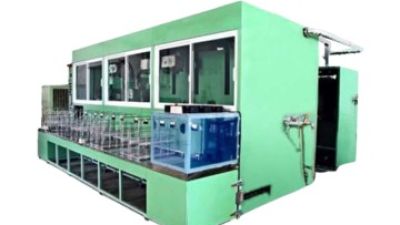
Automatic hydrocarbon ultrasonic cleaning provides an efficient and reliable method for removing oil, machining residues, dust, and fine particles from metal battery cases. Designed for demanding production environments, this type of equipment combines ultrasonic technology with hydrocarbon-based cleaning to reach narrow edges, deep cavities, and complex surfaces that may be difficult to clean through conventional methods. Automated loading, washing, rinsing, drying, and transfer functions help maintain consistent results while reducing manual handling.

The PTC6-5065V2RT automatic cleaning machine is engineered specifically for metal battery cases and related precision components. Its intelligent control system supports stable operation, repeatable cleaning quality, and efficient production management. The enclosed cleaning process can also help improve workplace cleanliness and reduce unnecessary solvent exposure when operated according to appropriate industrial procedures. With robust construction and high-quality output, the machine is suitable for battery case suppliers, component factories, and manufacturers serving electric vehicles, energy storage systems, and other industrial applications. It can support production lines that require dependable surface preparation before inspection, assembly, coating, or further processing.

FAQS

How can I verify a reliable ultrasonic cleaner manufacturer?

Request the legal company name, factory address, inspection records, and quality certificates. Arrange a video call. Ask to see the workshop, assembly area, and testing equipment. Polished catalogs are not enough.

What technical details should I request?

Ask for frequency, ultrasonic power, tank volume, heating accuracy, and degassing time. Request power-density data and ultrasonic uniformity results. Frequency alone proves little. That is easy to overlook.

Should the supplier test my actual jewelry?

Yes. Send representative samples with different metals, coatings, and settings. Watch a live cleaning demonstration if possible. Request before-and-after photos, cycle records, and measurable results. Clean samples can hide weak testing.

Which jewelry materials may need extra care?

Fragile settings, porous stones, treated stones, and fracture-filled stones may need alternative methods. Ask for written compatibility guidance before cleaning. A 40 kHz setting may balance cleaning strength and surface protection, but it is not universal.

What quality documents and traceability details matter?

Each unit should include a serial number, electrical rating, inspection date, and warranty terms. Request calibration records, factory inspection documents, and safety certificates. A quality certificate supports consistency. It does not guarantee excellent cleaning.

How should I compare supplier prices?

Check whether the quotation includes the tank, basket, timer, heating function, packaging, and inspection fees. Ask for a sample invoice showing delivery terms, order quantity, and payment stages. Cheap can become expensive. Compare tank thickness, transducer quality, and spare parts.

What should I confirm about customization?

Confirm tank size, frequency, control panel design, electrical standards, and packaging details. Approve drawings and samples before production begins. Ask for tolerance ranges and a replacement plan for defective units. Small artwork changes can cause delays.

How can I evaluate shipping and after-sales support?

Request carton dimensions, gross weight, loading quantity, packing photos, and estimated transit time. Ask how the supplier protects equipment from moisture and impact. Check manuals, troubleshooting videos, response times, warranty coverage, and spare-part availability. Test communication before ordering.

What warning signs should make me pause?

Be cautious when a supplier avoids failed-test records or gives vague technical answers. Ask who performs final testing and how rejected units are handled. Polite replies are not enough. Keep every promise in writing.

Conclusion

China has become a major source of ultrasonic jewelry cleaners because of its broad manufacturing capabilities, competitive production costs, flexible customization, and access to experienced component suppliers. This guide explains how ultrasonic technology uses high-frequency sound waves to create microscopic bubbles that help remove dirt and residue from jewelry surfaces and hard-to-reach areas. It also outlines the key product features buyers should assess, including tank capacity, frequency, power control, timer settings, heating options, material quality, safety design, and ease of maintenance.

To select a reliable Chinese supplier, buyers should review certifications, factory experience, quality-control procedures, production capacity, testing standards, and customer support. Asking clear questions about customization, minimum order quantities, sample testing, packaging, spare parts, lead times, and after-sales service can reduce purchasing risks. The guide also explains how to compare quotations beyond unit price by considering product performance, shipping terms, warranty coverage, communication, and long-term cooperation potential when choosing a Jewelry Cleaner Ultrasonic supplier.
Emily

Emily

Emily is a dedicated marketing professional at 8 WATER TECHNOLOGY LIMITED, where her expertise shines in the realm of advanced industrial technologies. With a strong background in the company's core offerings, including multi-wire cutting machines, industrial cleaning systems, and BIM software, she......
Previous How to Choose a Ring Cleaning Machine for Your Business?