When it comes to Wire Cutting, machines really aren't one-size-fits-all. Some are all about speed, others focus on precision, and the way they handle material can be totally different. Honestly, the right machine depends on a few things—like wire diameter, insulation, material, and how much you're producing. You've got machines that just crank out clean, repeatable cuts all day on a busy line. Then there are others that shine when you're doing smaller batches, switching setups often, or working with limited floor space. And the little details? Yeah, they matter a lot.
Okay, so this guide runs through ten common machine types and what they're actually built to do. It looks at cutting methods, automation, how much setup they need, and the trade-offs you run into in practice. Here's the thing: just because a machine is fast doesn't mean it's right for you—if its adjustment range doesn't match your wire, you're going to have a bad time. That's an easy detail to overlook. Hopefully, the list helps you ask the right questions about throughput, cut quality, maintenance, and operator skill before you even ask for a quote. Look, no chart or comparison can really take the place of actually testing the wire yourself and digging into the manufacturer’s specs. So much depends on your specific machine, the material, tooling, and all the little settings. Even a good comparison will only get you so far. So treat any options as a rough starting point, then run some sample cuts and check what service and support look like—make sure they fit your production needs.
What a Wire Cutting Machine Is and How It Works
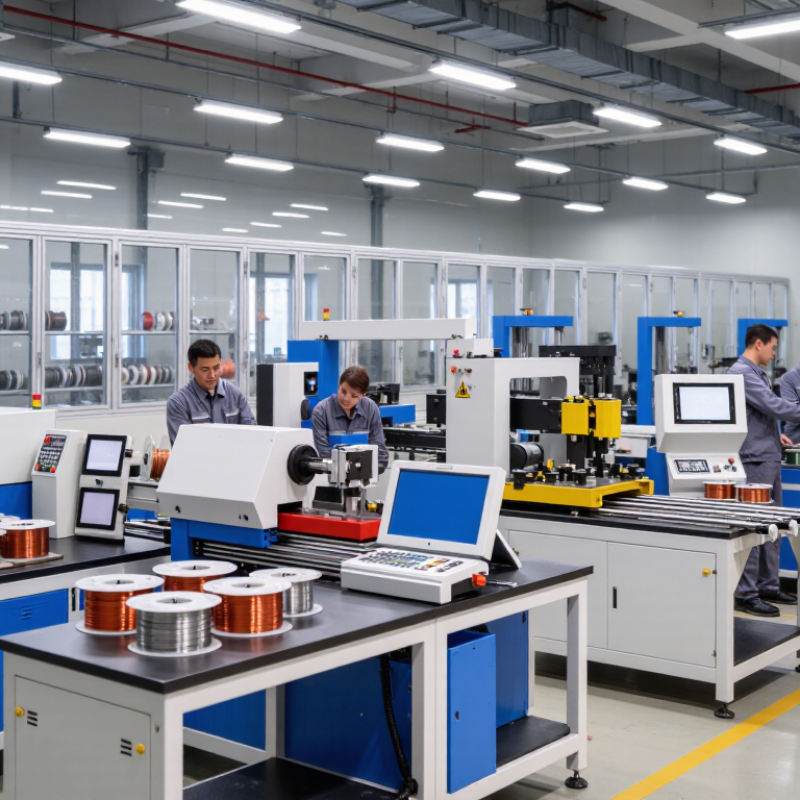
A wire Cutting Machine feeds wire to a set length, then cuts it with a blade or shearing tool. Many machines also straighten the wire before cutting. Feed rollers grip the material and move it forward, while sensors or programmed settings control the length. The cutter activates when the target measurement is reached. Some systems handle one piece at a time; others run continuously for higher output. The basic idea is simple. The setup matters more.
In practical use, an operator loads a coil, checks the feed path, and enters the required length and quantity. A test piece can reveal whether the wire slips or bends during feeding. Even a small length error may affect later assembly. Wire thickness, stiffness, and surface finish can change how it behaves, so settings should be checked when material changes. For Cutting Wire accurately, keep rollers clean and inspect blades for wear. Guards should stay in place during operation. A machine may display a precise measurement, but that does not guarantee every cut is exact; periodic checks with a suitable measuring tool are still worthwhile.
The Main Methods Used to Cut Wire
Top 10 Wire Cutting Machine Types for Buyers
The Main Methods Used to Cut Wire
Wire cutting methods vary with material, diameter, coating, and required edge quality. Mechanical shears use opposing blades for fast, economical cuts, but may flatten soft wire. Rotary cutters can handle continuous feed and produce consistent lengths. Abrasive saws suit heavier stock, though they create heat and may leave burrs. Laser Cutting offers precision on suitable thin materials, but heat can affect the cut edge. No method wins every time.
Grand View Research’s Global Wire and Cable Market report estimated the market at USD 220.9 billion in 2023 and projected a 4.9% compound annual growth rate from 2024 to 2030. This market context points to the value of repeatable processing, not one universal machine choice. Cnc Wire Cutting systems can combine programmed feed length with controlled cutting cycles. Buyers should still check whether the setup handles their actual wire alloy, diameter range, and production volume. A neat cut on one sample may not stay neat on a full shift.
Tips: Run sample cuts first. Check for crushed ends, burrs, heat discoloration, and length variation. Small flaws matter when wire must fit a connector or assembly. A simple inspection log can reveal drift, though it will not replace proper machine trials.
Ten Common Wire Cutting Machine Types and Their Uses
A Cutting Wire Machine may be simple or highly automated, depending on wire size, material, and production volume. Manual cutters suit small batches and basic maintenance work. Pneumatic models use compressed air for quick, repeatable cuts. Hydraulic machines provide greater force for thicker wire. Electric cutters are compact and useful at assembly benches. Servo-driven CNC machines follow programmed lengths, helping shops produce consistent runs with less manual measuring.
Cutting methods also vary. Guillotine or shear cutters make clean, square cuts on many soft and medium-hard wires. Rotary-blade machines handle continuous feeding and are useful for repeated cuts. Abrasive cutoff machines can process harder materials, though they may leave burrs or heat marks. Laser wire cutters offer precise, contact-free cutting for delicate parts, but setup and material suitability matter. Wire EDM uses an energized wire to shape conductive workpieces; it is not generally a machine for cutting loose wire stock.
Choose based on the actual job, not just speed. A small copper wire may need only a bench cutter, while hardened wire can demand a stronger tool and careful clamping. Test sample pieces. Check cut length, end shape, and debris before committing to a long run. Real results can vary with wire coating, tension, and machine settings. Simple, but not effortless. A cutter that works well on one wire may perform poorly on another.
Top 10 Wire Cutting Machine Types for Buyers
Ten common wire cutting machine types and their typical uses.
Bars count the representative application groups listed for each machine type; they are not market-share figures or performance ratings. Actual material and size limits vary by machine and tooling.
Materials and Industries Served by Wire Cutting Machines
Wire cutting machines serve very different materials, so the process matters as much as the machine name. Wire EDM cuts electrically conductive metals, including hardened steel, titanium, and copper alloys. It suits toolrooms and aerospace shops needing narrow slots or intricate profiles, though cutting speed can be modest. Abrasive wire saws instead slice brittle materials such as silicon, quartz, glass, and technical ceramics. They are used in electronics, solar production, and research labs, where preserving a sample can matter more than speed. Not always.
Mechanical wire systems can cut selected metals and nonmetallic materials, while diamond-wire saws are useful for blocks and wafers. Their limits depend on thickness, brittleness, heat sensitivity, and required edge quality. Automotive suppliers may prioritize throughput on repeat parts; medical-device producers often need consistent dimensions and careful inspection. Stone and glass workshops may use abrasive methods to limit chipping, but wire tension and feed settings still require trials. A practical buyer should test the actual material grade and geometry, not just a sample coupon. Small differences in coating or internal stress can change the result. That is easy to overlook.
Key Features to Compare Across Machine Types
Compare machines by cut quality, throughput, operating cost, and material limits. Check wire speed, tension control, feed rate, and kerf width; these determine how cleanly a machine cuts and how much material becomes waste. Diamond Wire Cutting systems suit hard, brittle materials, but their results depend on wire choice, coolant delivery, and stable tension. Numbers can mislead. A fast feed may raise output while increasing wire wear or edge damage. Ask suppliers for sample cuts using your material and target dimensions.
For silicon applications, the 2024 International Technology Roadmap for Photovoltaic (ITRPV) tracks wafer thickness and kerf-loss trends, useful benchmarks when comparing saw configurations. Match a machine’s demonstrated kerf and thickness capability to your production plan, not just its maximum cutting speed. Also compare automation, changeover time, maintenance access, and measured energy use. The U.S. Department of Energy’s compressed-air sourcebook estimates that compressed air accounts for roughly 10% of U.S. industrial electricity use. Treat this as plant-level context, not a machine-specific rating; check each model’s actual air demand. Check the cut. A small test run may reveal vibration, coolant issues, or inconsistent edges that a specification sheet misses.
How to Choose a Wire Cutting Machine for Your Needs
Choose a wire cutting machine by matching its process to the material and finished part. Cable cut-and-strip machines suit repeatable electrical assemblies; abrasive or shear systems handle different wire forms, while wire EDM is designed for precise cuts in conductive workpieces. Check the actual wire diameter, insulation, cut length, tolerance, and daily batch size before comparing models. Measure it first. A machine rated for high speed may still struggle with stiff cable or frequent changeovers. IFR’s World Robotics 2024 report counted 4,281,585 industrial robots operating worldwide in 2023, 10% more than in 2022. That shows automation is expanding, not that every buyer needs a fully automated line.
Ask suppliers to run your own material through the machine. Inspect cut ends, strip consistency, scrap rate, setup time, and how easily operators can change recipes. Also check blade or electrode replacement, guarding, training, and access to maintenance support. The U.S. Bureau of Labor Statistics projects employment of industrial machinery mechanics to grow 13% from 2023 to 2033, reflecting the importance of keeping production equipment serviceable. A neat specification sheet can still miss a real production snag. Compare total operating cost, not only purchase price, and leave room for future wire sizes if your product mix may change. These checks will not remove every uncertainty, but they make a trial run far more useful.
Safety and Maintenance Factors for Buyers
When comparing rotary, guillotine, and laser wire-cutting machines, buyers should inspect safety features alongside cutting speed. OSHA’s machine-guarding guidance cites estimates of about 18,000 machinery-related amputations, lacerations, crushing injuries, and abrasions, and more than 800 deaths annually. These figures cover machinery broadly, not wire cutters alone. Look for fixed guards around blades and feed rollers, accessible emergency stops, and interlocks that prevent operation when covers are open. A guard can seem adequate on a showroom floor yet leave a reach-in gap after installation. Small details matter.
Maintenance affects both safety and cut quality. Ask how operators isolate electrical, pneumatic, and stored mechanical energy before clearing jams or changing blades. OSHA’s lockout/tagout standard, 29 CFR 1910.147, describes controls for hazardous energy during servicing. Check whether the machine provides safe access to blades, clear lubrication instructions, and scheduled inspection points. Frayed feed rollers, loose fasteners, or a dull blade can pull wire sideways and expose hands to pinch points. That sounds obvious, but rushed changeovers still invite shortcuts.
Before purchase, request the maintenance schedule and operator training materials, then verify them against the actual machine layout. Test the emergency stop and interlocks during commissioning, not just during a sales demonstration. Confirm replacement blades and guards are available, and ask how maintenance records should be kept. A practical checklist helps, though it cannot replace careful supervision.
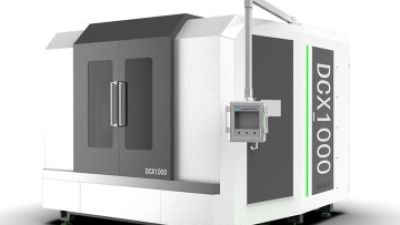
China DCX1000 for Sapphire & Glass: Factory Precision with Fortune Business Insights’ Diamond Wire Market Data
China’s sapphire and glass manufacturers are investing in more precise, efficient slicing as demand for high-quality optical and electronic materials expands. The diamond-wire market data referenced in the industry forecast point to continued market growth, reflecting wider adoption of diamond-wire cutting in applications where material yield and edge quality matter. For factories processing hard, brittle materials, this trend makes equipment accuracy and stable high-throughput performance increasingly important.
The DCX1000 is designed for these production demands. Its oscillatory mechanism uses a single diamond wire to make precise cuts while reducing kerf—the material lost during cutting—and limiting stress on delicate workpieces. This helps manufacturers improve usable yield when processing sapphire, quartz, premium optical glass, and jade. Built for scalable operations, the machine combines consistent cutting performance with the capacity to support faster production cycles, giving suppliers a practical solution as precision requirements and output expectations rise.
FAQS
It feeds wire to a set length, then cuts it with a blade or shearing tool. Some models straighten wire first. Setup matters.
Feed rollers move the wire, while sensors or programmed settings track its length. The cutter activates at the target measurement. Check the result anyway.
Load the coil, inspect the feed path, and enter the required length and quantity. Make a test cut to check for slipping or bending. Small errors matter.
Wire thickness, stiffness, and surface finish affect feeding. Roller condition and blade wear can also change results. Measure samples regularly.
Wire EDM cuts conductive metals such as hardened steel, titanium, and copper alloys. Abrasive wire saws can cut brittle materials like glass, quartz, and ceramics. Not always.
It can make narrow slots and detailed profiles in conductive metals. It is used in toolrooms and aerospace shops, but cutting may be modest.
Abrasive wire saws can slice brittle materials while helping preserve samples. Diamond-wire saws can cut blocks and wafers. Material and geometry still matter.
Test the actual material grade and part shape, not just a sample coupon. Thickness, brittleness, heat sensitivity, and edge quality affect the result. Easy to overlook.
Keep guards in place, clean the rollers, and inspect blades for wear. A displayed measurement does not guarantee every cut is exact. Check it again.
Conclusion
Wire Cutting machines are designed to feed, measure, and cut wire to precise lengths, helping manufacturers produce consistent parts efficiently. Different cutting methods suit different materials and production needs, while common machine types range from simple manual cutters to automated systems with measuring, feeding, and multi-step processing functions. Each type offers distinct advantages in speed, accuracy, capacity, and ease of operation.
These machines serve industries that work with a variety of wire materials and product specifications. Buyers can compare cutting capacity, precision, operating speed, automation, and compatibility with their materials before choosing a machine. The right option depends on production volume, the required cut quality, available workspace, and budget. Safety features, operator training, routine inspection, and proper maintenance are also important considerations for dependable long-term performance.