- Home
- About Us
- Products
- Solution
- Custom Service
- Contact Us
- Blog
Leave Your Message
Manufacturers really rely on processing equipment to turn raw materials into consistent, market-ready products. Basically, it’s what shapes, mixes, heats, fills, separates, and packages everything — all done with precision and at controlled speeds. Without the right gear, production can slow down, become unpredictable, and just get harder to scale up.
Richard W. Fellows, who's pretty much a go-to guy in food processing and the author of Food Processing Technology, puts it simply: “Food processing is the transformation of raw ingredients into food, or of food into other forms.” That really highlights why the right equipment is so crucial. Processing isn’t just about moving stuff down a line; it’s about carefully controlling temperature, pressure, moisture, timing, and keeping everything hygienic at every step.
Little details make a big difference. For example, a sensor that's out of calibration might mess up an entire batch. An awkward spot to clean could cause downtime. A worn-out conveyor belt? That might mess up the flow of products. All these small issues can impact the quality of the final product, worker safety, energy consumption, and even customer trust. That’s why reputable manufacturers do thorough testing, keep good maintenance records, listen to what operators say, and analyze real production data.
But here’s the thing — no machine is perfect or a cure-all. Sometimes, a new system might look super efficient but turns out to be a pain to clean or tricky to train staff on. That’s where good judgment comes into play, not just shiny specs on a brochure. Companies like Bühler Group and Tetra Pak really show how combining engineering know-how, process understanding, and ongoing support can make a real difference. Still, even the best solutions require a proper site assessment before jumping in.
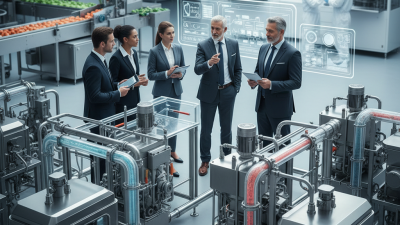
The right Processing Equipment isn’t just about pushing out high capacity; it’s about ensuring consistent quality, safer operations, and sustainable growth. It needs to fit your product, your facility, your team, and where you want to go in the future. Sometimes, that’s way more important than just chasing the biggest numbers on capacity charts.
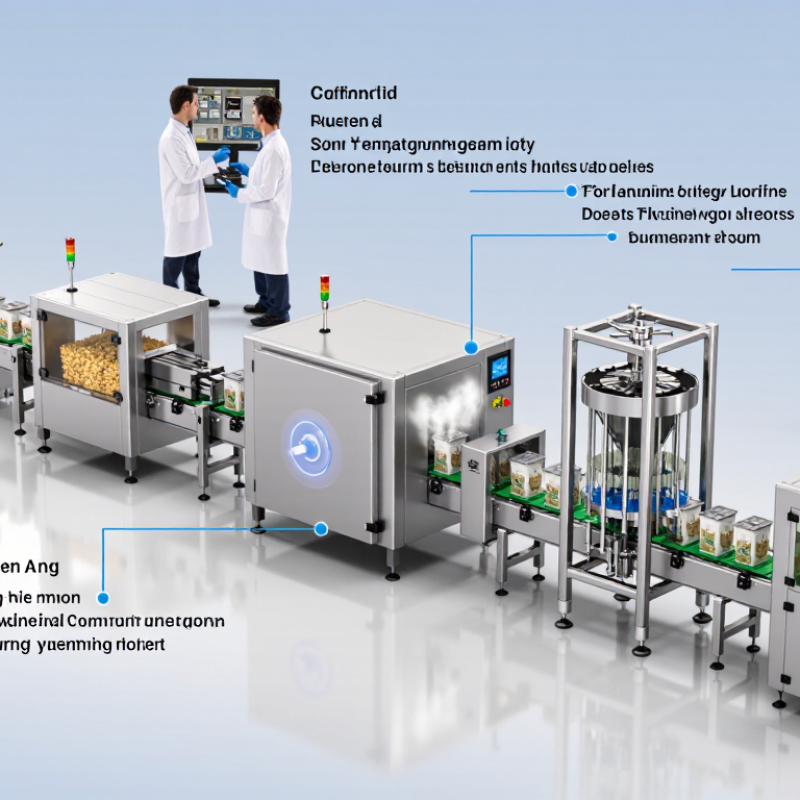
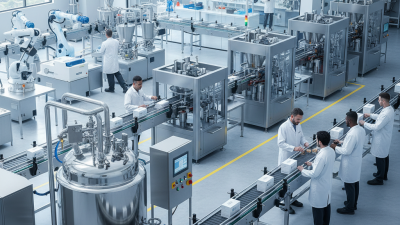
Processing equipment is the machinery used to change raw materials into products that are ready for the next production step. It can sort, wash, cut, grind, blend, heat, cool, or package materials. The right setup depends on the product, its texture, and the required output. One machine rarely does everything.
A mixing tank, for example, combines ingredients using rotating blades or paddles. A conveyor moves items between work areas, while a pump transfers liquids through pipes. Sensors may track temperature, pressure, or flow, helping operators notice changes before they affect a batch. Small details matter. A poorly placed sensor can miss uneven heating.
Some lines also need Additional Equipment For Processing Machines, such as filters, feeders, or temperature controls. These components support the main machine but add cleaning and maintenance needs. A filter clogged with residue can slow production; a feeder set too fast may overload downstream equipment. Capacity matters, too. A large machine does not automatically improve output if other steps cannot keep pace. Manufacturers should consider material behavior, washdown access, operator training, and realistic production targets when selecting equipment. Those choices can look obvious on paper, but real materials sometimes behave differently from test samples.
| Equipment Type | What It Does | Typical Manufacturing Uses | Why It Matters | Key Selection Considerations |
|---|---|---|---|---|
| Mixers and Blenders | Combine liquids, powders, pastes, or other ingredients to achieve a consistent mixture. | Food production, pharmaceuticals, cosmetics, chemicals, and building materials. | Consistent mixing can help improve product uniformity and reduce variation between batches. | Batch size, material viscosity, mixing time, cleaning requirements, and the risk of contamination. |
| Pumps | Move liquids or slurries through pipes, tanks, and processing lines. | Food and beverage processing, chemical production, water treatment, and pharmaceutical manufacturing. | Reliable transfer helps maintain process flow and supports controlled movement of materials. | Fluid properties, flow rate, pressure, temperature, chemical compatibility, and hygienic design needs. |
| Heat Exchangers | Transfer heat between fluids without necessarily mixing them. | Heating, cooling, pasteurization, temperature control, and heat recovery in process plants. | They help control product and process temperatures, which can affect quality, safety, and energy use. | Required temperature range, fluid properties, capacity, cleanability, and resistance to corrosion or fouling. |
| Filters and Separators | Remove unwanted particles or separate materials based on properties such as size, density, or phase. | Liquid clarification, powder processing, wastewater treatment, and separation of solids from liquids. | They can help protect downstream equipment and meet product cleanliness or process requirements. | Particle size, material compatibility, throughput, pressure drop, and filter replacement or cleaning needs. |
| Conveyors | Move materials or products between processing, inspection, and packaging steps. | Assembly operations, food processing, warehousing, and material handling. | Well-planned conveying can reduce manual handling and connect production steps into a continuous flow. | Product shape and weight, line layout, operating speed, cleaning needs, and workplace safety. |
| Dryers | Remove moisture or other volatile substances from materials using heat, airflow, or other drying methods. | Food ingredients, chemicals, ceramics, minerals, and pharmaceutical materials. | Controlled drying can help achieve target moisture levels and support product stability or further processing. | Material sensitivity to heat, required moisture level, drying capacity, energy use, and dust control. |
| Cutting and Size-Reduction Machines | Cut, crush, grind, or mill materials to a target shape or particle size. | Metal fabrication, plastics, food production, mining, and powder manufacturing. | Consistent dimensions or particle sizes can support downstream processing and product specifications. | Material hardness, desired output size, production rate, tool wear, guarding, and dust or debris control. |
| Packaging Machines | Fill, seal, label, or otherwise prepare products for storage, transport, and sale. | Food and beverage, consumer goods, pharmaceuticals, and industrial products. | Packaging helps protect products and supports consistent, repeatable preparation for distribution. | Package format, product characteristics, line speed, changeover time, and applicable hygiene or labeling requirements. |
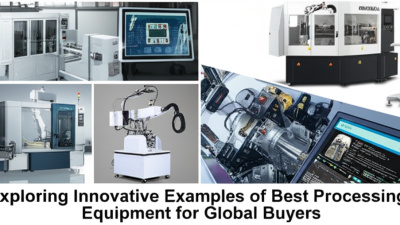
For buyers evaluating China-made multi-wire Cutting Equipment, the CA400 is designed for batch slicing of sapphire, quartz crystals, special ceramics, and silicon nitride into straight sheets. Its workpiece-swinging mechanism reduces the effective cutting area, helping improve processing efficiency while maintaining stable operation. Because actual throughput and yield depend on material dimensions, wire configuration, and process settings, request a sample-cut assessment and confirm the achievable thickness range, kerf, flatness, surface quality, and batch consistency before purchase.
The broader precision-slicing market makes these checks relevant: SEMI reported that global silicon wafer shipments reached 12.434 billion square inches in 2024, illustrating the scale of demand for accurately processed brittle materials, though this figure covers silicon wafers rather than sapphire or quartz. When comparing suppliers, ask for documented results using your own material, details on wire consumption and maintenance, operator training, spare-parts availability, and installation support. A factory-direct quotation should clearly separate machine configuration, inspection, shipping, and after-sales service, allowing buyers to compare total operating costs—not only the purchase price.
It is machinery that changes raw materials for the next production step. It may sort, wash, cut, grind, blend, heat, cool, or package materials.
Mixers combine ingredients, grinders control particle size, and conveyors move products between work areas. Pumps transfer liquids through pipes.
Sensors track conditions such as temperature, pressure, flow, speed, weight, or moisture. Their readings can flag changes early, though poor placement may miss uneven heating.
Match machinery to the material’s viscosity, temperature, particle size, cleaning needs, and output target. Test with real materials when possible.
They can support the main machines. But clogged filters slow production, and feeders running too fast may overload equipment downstream.
No. Sticky or irregular materials may reduce performance. Other steps in the line must also keep pace.
Look at drain points, access panels, guarding, washdown access, and spare-part availability. Awkward maintenance can add downtime.
Actual performance may differ from early assumptions. Check records and observe the line; noise, waste, or poor results may point to needed changes.
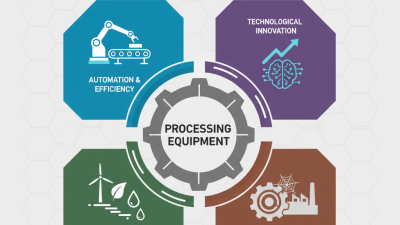
Processing Equipment is essential to modern manufacturing because it transforms raw materials into consistent, usable products through controlled and repeatable operations. It may include systems for mixing, heating, cooling, cutting, forming, conveying, separating, or packaging materials. By supporting each stage of production, this equipment helps manufacturers improve workflow efficiency, maintain stable product quality, reduce manual effort, and control operating costs. The right equipment can also increase production capacity while minimizing material waste, energy use, and downtime.
Manufacturers select equipment according to factors such as production volume, material characteristics, processing accuracy, available space, energy efficiency, safety, and ease of integration. Regular maintenance is equally important, as inspections, cleaning, lubrication, and timely repairs help prevent unexpected failures and extend service life. In addition, automation and monitoring technologies can improve precision, provide real-time performance information, and support faster decision-making. Together, suitable equipment, effective maintenance, and thoughtful automation create a more productive, reliable, and cost-efficient manufacturing operation.